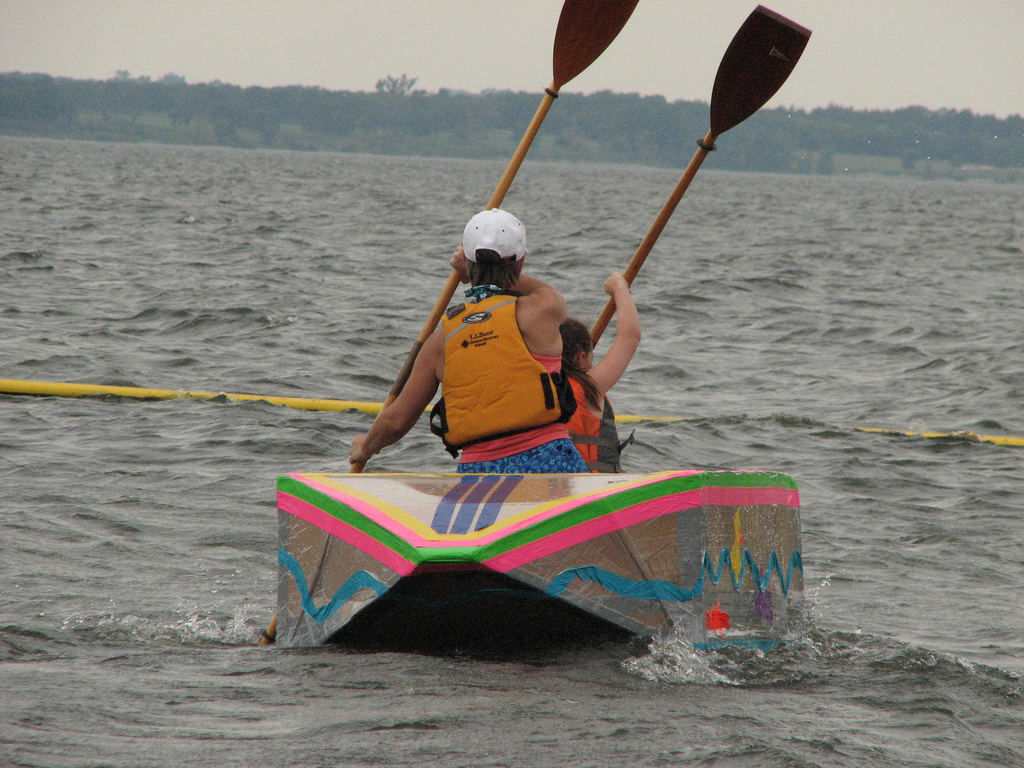
“Float Your Boat” – Cardboard boat races today at Milford Lake

From the 2009 race

From the 2009 race

If you’re around Milford Lake at all today (Saturday, August 17), if you head down to the south boat ramp, you’ll be able to check out the cardboard boat races. From noon to 4pm, you can watch (or participate!) in the “Float Your Boat” race where participants ride in boats made entirely from cardboard and duct tape. If you want to whip up your own creation that can hold two people, there are cash prizes available!

Discovering the Flint Hills Discovery Center

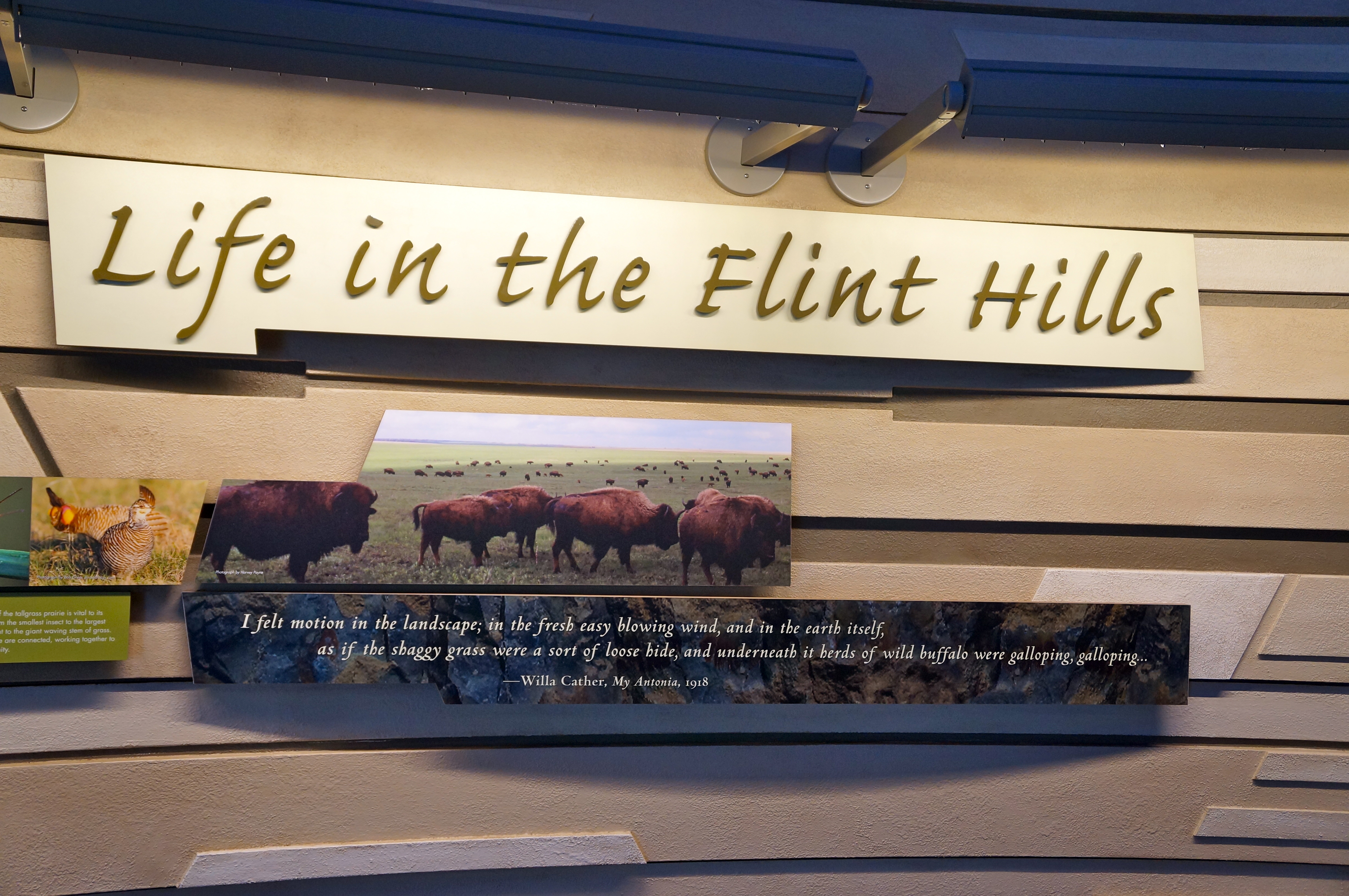
“The Flint Hills don’t take your breath away; they give you a chance to catch it.”

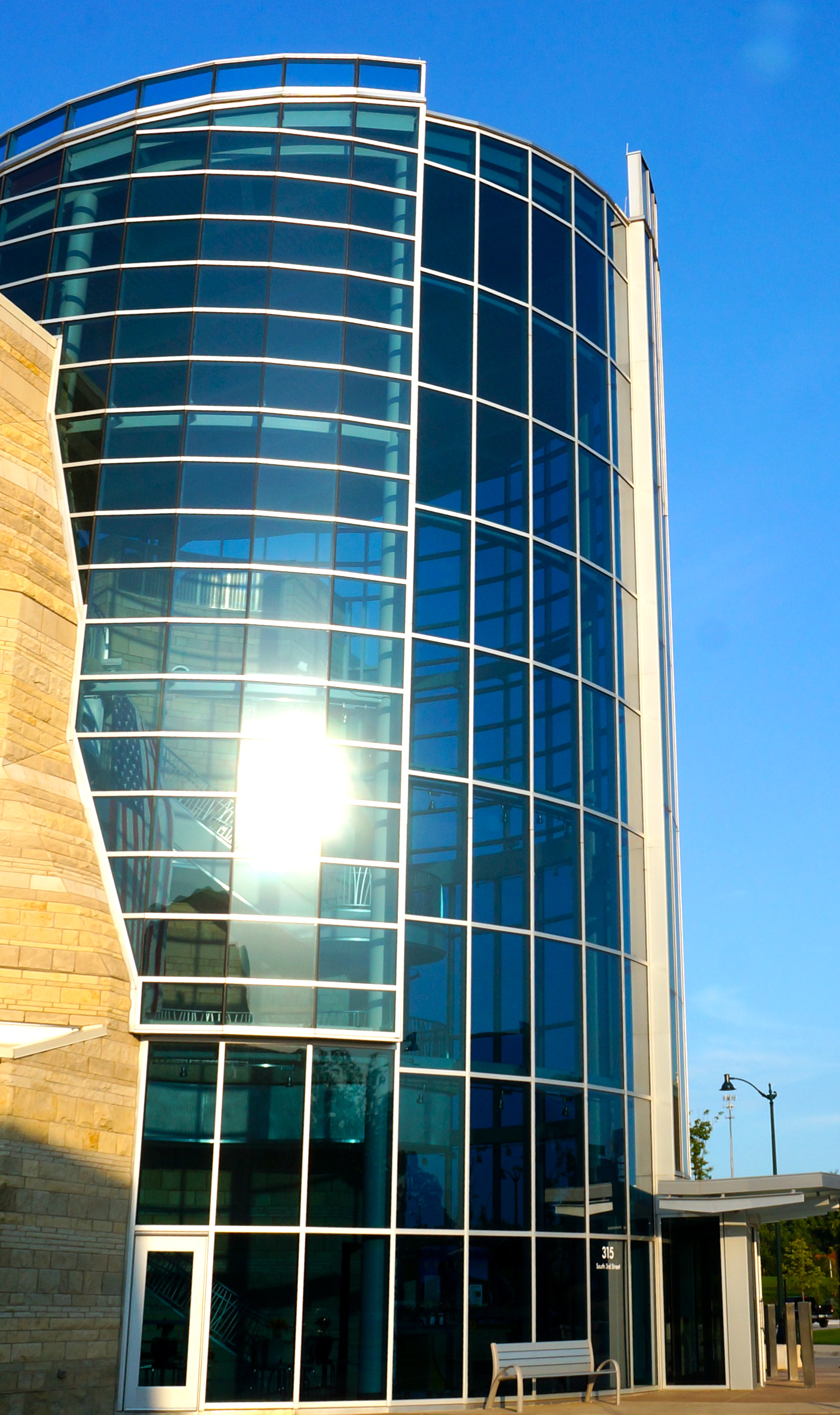
Entrance to the Flint Hills Discovery Center

Entrance to the Flint Hills Discovery Center

This Jim Hoy quote is included in an exhibit at the Flint Hills Discovery Center in southern Manhattan, Kansas, and I couldn’t have expressed it better myself. The subtle beauty and the quietness of the space in the Flint Hills can be difficult to describe.

Having gone to school in Manhattan, coming back to the town to research the bike trails by the river, I figured that I knew all the city had to offer. But the Flint Hills Discovery Center opened in April 2012, and it’s a great place to go and get lost in the history and lure of the Flint Hills for an hour or two, especially for those with kids or who have any interest in Kansas, history, geography, biology, or ecology.

What’s special about the Flint Hills? Once 250 million acres stretching from Canada to Texas, the tallgrass prairie is now 95% gone – plowed under and turned into farmland.

Thanks to the rocky soil, mostly limestone, in the Flint Hills area, the prairie here was saved. This rare and delicately balanced ecosystem is home to all kinds of flora and fauna from grasshoppers to bison and snakes to butterflies.

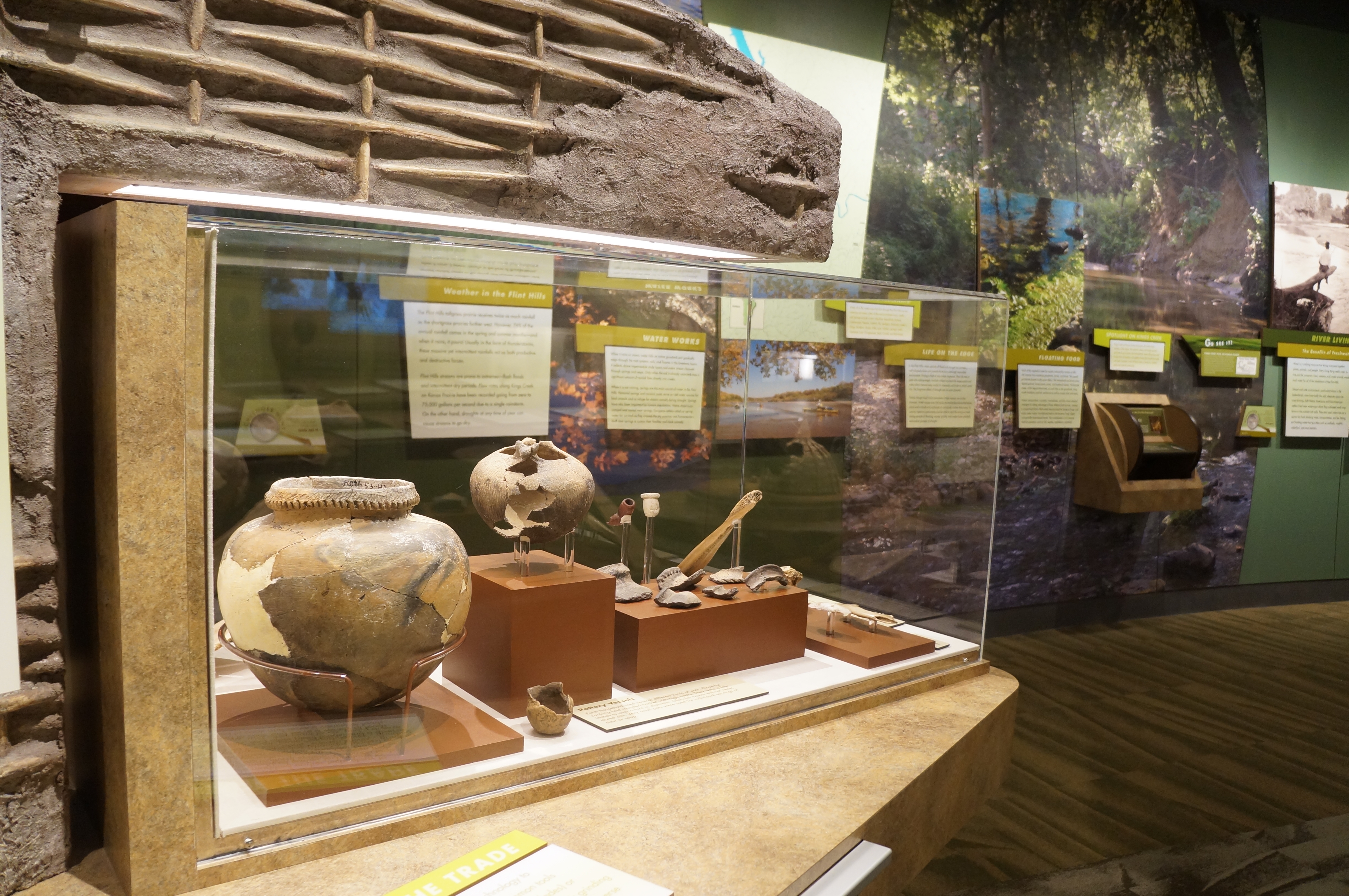
Looking through the first floor exhibits at the Flint Hills Discovery Center, you see the prairie from all angles: formation of the rock layers and the rolling hills over thousands and millions of years, the plants and wildlife that make the prairie what it is – including beneath the soil’s surface, the importance of fire to keeping the prairie healthy, history and culture of the Native Americans who called the prairie home or hunting ground and were then relocated with the European influx, the cowboys and ranchers who have driven cattle to and from the grassland for grazing.

Native American exhibit

Native American exhibit

What stands out is the mix of exhibits like the rolling video of interviews with people of the Flint Hills and the interactive activities. While appealing for kids, they’re also interesting/entertaining for adults – like the Auctioneer’s Karaoke (I couldn’t keep up!).

You can also see how you’d do keeping a section of prairie healthy with a touch screen simulation – balancing the amount of cattle or bison with the number of burns over a 7-year time span with a luck-of-the-draw amount of rain. My first try ended poorly with my bison hungry and with non-native, invasive species encroaching on the prairie. Whoops! I tried it again with better results. I’ll let you see how you do!

Also on the first floor is the auditorium for the multi-media “immersive” program: “Tallgrass Prairie: Tides of Time.” The 15-minute presentation takes you to the prairie throughout its seasons, including blowing wind and falling snow. I’ve never been in a museum presentation quite like it, and I’m sure that it’s a hit with kids who might find other “educational” presentations boring. It’s also got some pretty great cinematography and photography that really show off the prairie at its most beautiful and dynamic.

While much of the downstairs area is kid-friendly, upstairs is primarily the kid’s area, and, bonus, it’s actually ideal for kids of all ages. A lot of museums or centers like this one include activity zones that are better for older kids and leave nothing for younger ones. This has a 30lb and under section where kids can crawl and explore. Then there’s a dress-up area, a reading spot, a “prairie pipe organ” and even a slide.

Flint Hills Discover Center

Flint Hills Discovery Center

Also upstairs is the temporary exhibit space. Until September 8, 2013, the exhibit is Conservation Quest. All about how to save energy, it also has plenty of interactive stations. The building itself is energy efficient and sustainably designed.

To commemorate your visit, there’s a little gift shop with many items made in/from Kansas with a mix of books, jewelry, candles, and toys.

I was lucky to be staying in the Fairfield Inn, which is right next door; otherwise, since I hadn’t heard about this spot before, I might have missed out. Don’t risk making that mistake!

If you go:
315 South 3rd Street
785-587-2726

Adult: $9.00
Youth: $4.00
Military, College Students & Seniors (65+): $7.00
Children under 2: FREE

MEMORIAL DAY TO LABOR DAY
Monday through Thursday: 10 a.m. – 8 p.m.
Friday and Saturday: 10 a.m. – 5 p.m.
Sunday: Noon – 5 p.m.

LABOR DAY TO MEMORIAL DAY
Monday through Wednesday: 10 a.m. – 5 p.m.
Thursday: 10 a.m. – 8 p.m.
Friday and Saturday: 10 a.m. – 5 p.m.
Sunday: Noon – 5 p.m.

Kansas Rail Trails: Interview with Clark Coan

Rail Trails of Kansas

In the 1960s and 1970s, railroad tracks were abandoned across the country, and now, long stretches of former rail tracks have been, or will be, turned into trails.

And in Kansas, the rail-trail conversion and creation process has resulted in over 100 miles of usable trail throughout the state with 100+ either in the concept or project stage. See above for a map of the current and proposed trails.

The longest trail in the state will be the 117 mile Flint Hills Nature Trail, and with a $2.4 million grant, by 2014, it should be completed between Osawatomie to Herington. It will also connect up to the completed and open Prairie Spirit Trail in Ottawa, which runs between Ottawa to Iola and connects to the Southwind Rail Trail, which runs between Iola to Humboldt.

The Flint Hills Nature Trail also links up with the 300+ mile Katy Trail in Missouri via the Indian Creek Streamway Trail and Blue River Trail in the Kansas City area.

Making these trails is a huge undertaking. Planning out the location and getting funding, clearing brush and installing crushed limestone, then maintaining the trail – it’s a big job, and the work is primarily volunteer. One non-profit converting these former railways into trails for foot, bike, and horse traffic, is the Kanza Rail-Trails Conservancy.

Prairie Spirit Trail

On the Prairie Spirit Trail

Former Director of Development at Kanza Rail-Trails Conservancy, Clark Coan agreed to answer a few of our questions about the Kansas rail-trails.

Kansas Trail Guide: When did the rail to trail conversion start in Kansas?

Clark: The Rails-to-Trails Coalition of Kansas began working on railbanking the Landon Trail in 1987.

Kansas Trail Guide: How many volunteer hours does it take to create a rail-trail?

Clark: It depends upon the length of the trail. The longer the trail, the longer it takes. Funding is the main thing which slows up development. Generally, it takes 1,000s of volunteer hours to complete a trail.

Kansas Trail Guide: Is there a trail or part of a trail that’s a personal favorite to walk or ride?

Clark: I guess my favorite right now is riding the Flint Hills Nature Trail from Rantoul to Osawatomie. It has a tree canopy and goes along bluffs towering above the Marias Des Cygnes River.

Kansas Trail Guide: Is there anything that most people don’t realize about the rails-to-trails program in Kansas that they should know about?

Clark: Many Kansans don’t know they exist but they are gradually being discovered. They allow Kansans to have adventures close to home.

Kansas Trail Guide: What is the historical significance of the rail-trails?

Clark: The railroads helped open up the West to settlement. Towns sprung up along railroads and settlers rode the trains to their new homes. The rail lines generally followed historical trails such as the Santa Fe Trail which typically followed Indian trails.

Kansas Trail Guide: What do you feel is the impact of the rail trails on Kansas tourism?

Clark: Tourism from rail-trails can help small towns survive. Trail users need food, gas, lodging and souvenirs. The boost to a small town’s economy may help it stay alive.

DoubleTree by Hilton in Overland Park, Kansas

From the Olathe Prairie Center with its open vistas over the plains to the rocky mountain biking loops through the trees of Shawnee Mission Park, Kansas City, KS is full of trails. And during my time on the trails in the Kansas City area, I stayed a night at the DoubleTree by Hilton in Overland Park.

5 pillows and a cookie? Not a bad night’s stay

“Here’s your chocolate chip cookie,” said the front desk agent as she finished checking me in.

“Thank you,” I replied in wonderment, taking the warm, paper wrapped cookie. I couldn’t remember the last time I’d been welcomed at a hotel with a cookie. I very nearly dropped that cookie when I opened the door to my room. Room? No, that’s not the right word. Suite. Thanks to the Overland Park Convention and Visitor’s Bureau, I got hooked up at the DoubleTree.

Hello beautiful!

The corner room had a separate living area with a couch, easy chair, and small dining area, and a flat screen TV that swiveled so it could be viewed from the couch or the bed.

All of those are nice (as was the mini fridge and the comfortable bed with white linens so you know without a doubt that they’re clean), but it is the little details that stand out and make a hotel more than just a bed for the night. It’s always the little things. Here, it was the separate sections in the wastebaskets for recyclables and trash (love that! Every hotel should have those!) and the Wolfgang Puck coffee maker.

Beyond the room, there was a pool, whirlpool, sauna, and workout room. OK, a lot of hotels have those. But how many hotels have a racquetball court on the premises?

Racquetball – who would have guessed?

Tucked away behind the pool area, two men were working up a sweat in the little room. I silently applauded them for their efforts, and then headed back to my room to lounge around, watching TV from the bed then getting up to watch it from the couch as I took notes on the trails of the day (Olathe Prairie Center – mowed loop options with pleasant picnic area in the middle. Shawnee Mission Park – popular with local bikers and well-maintained and signed).

And wanting to get the full experience of the hotel, and not wanting to put on shoes, I called for room service from the Trofi Restaurant. Pricey, yes, as room service and hotel food tends to be, but it was delivered quickly and was yummy.

With its location near Corporate Woods and its loads of meeting and convention space, it’s popular with business travelers, and for anyone who needs a last minute gift from a trip, there is a small gift shop in the lobby.

So if it comes down to this hotel vs. another similarly priced hotel in the same area, remember, this one will give you a free cookie.

If you go:
From $115
10100 College Boulevard
Overland Park, Kansas, 66210-1462
TEL: 1-913-451-6100 FAX: 1-913-451-0386

Crooked Knee Horse Trail at Melvern Lake

Today on the schedule for trails was the Orange Loop of the Crooked Knee Horse Trail, and it couldn’t have been a better day for it. Temperatures didn’t get over the mid-80’s, and there was a slight breeze. The trailhead is at the Eisenhower State Park on the north side of Melvern Lake, and it’s maintained well, has good signs, and since much of it is exposed, it has some great views out over the prairie, and some pretty beautiful wildflowers. Here are some of the photos I got along the trail:

Interview with Roger of Tailwind Cyclists in Pittsburg

The rolling hills of southeastern Kansas around Pittsburg are perfect for mountain bike trails. I checked in by email with Roger Lomshek, owner of Tailwind Cyclists, which has you covered for all your cycling & outdoor needs, for his recommendations and thoughts on the Pittsburg area trails.

Kansas Trail Guide: What are the best trails in the Pittsburg area for mountain bikers and why?

Roger: We have three trails that offer a mix of flavors for riders.

The 23rd Street Bike Park is in the middle of town 6 blocks east of Broadway on 23rd ST! The bike park has a mix of roller coaster twisty singletrack with lots of short steep 10 foot tall hills. It also has a dirt jumping track with plans to add a trials riding area and pump track. While some areas are beyond the beginner rider there is almost always an easy detour and you’re never more than a half mile from the road.

One of the features at the 23rd Street Bike Park in Pittsburg

One of the features at the 23rd Street Bike Park in Pittsburg

Wilderness Park is at the far north edge of Pittsburg 1/2 mile west of Hwy 69 on McKay ST. The front half has gravel bike & walking paths that are great for beginner riders and families while the back half is a tangle of singletrack trails in heavily wooded hills.

Farlington Lake (Crawford State Park) is 10 miles north of Girard, KS on Hwy 7 (25 miles northwest from Pittsburg). A paved 6 mile road circles the lake while a nearly 8 mile singletrack trail rolls through the woodland around the lake. The singletrack trail has some very difficult sections and overall I would list it as an intermediate trail that is not for beginners.

Kansas Trail Guide: How many volunteer hours does it take to maintain the trails and how many trails does your shop take care of?

Roger: Tailwind Cyclists and our crew of volunteer trail workers maintains all 3 trail networks in our area totaling about 15 miles of trails. We usually devote at least a weekend every other month to trail maintenance and sometimes smaller half day sessions as needed.

Kansas Trail Guide: Are there areas for beginners and experts?

Roger: All three trails offer challenges for expert riders while the 23rd Street Bike Park and Wilderness Park have some beginner friendly portions.

Kansas Trail Guide: Are there any organized trail rides?

Roger: Tailwind Cyclists hosts a Thursday night mountain bike ride that leaves the shop at 6:30 PM during daylight savings time. We also do occasional road trips to further away trails on weekends. Call the shop at 620-231-2212 for details.

Kansas Trail Guide: What gear can people purchase at your shop?

Roger: We sell a wide variety of cycling accessories plus the bikes themselves and can get camping and outdoor gear as well.

Kansas Trail Guide: What do you think makes the Pittsburg area special for mountain bikers?

Roger: The people who ride! We have a great group of riders that make every trail ride fun.

Night hiking

With the heat of summer bearing down, it’s time to think about one of my favorite times to hike.  At night!  A night hike is a totally different experience than during the day and a familiar trail can be totally transformed just by venturing out after sunset.

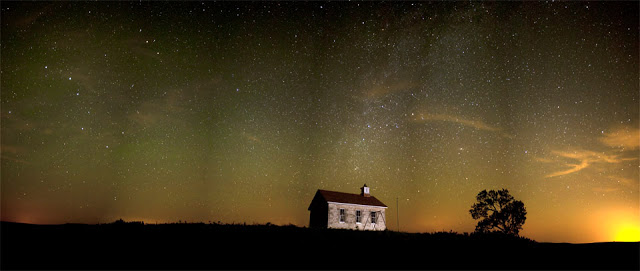
One of my all-time favorite places to hike is the Tallgrass Prairie Preserve near Strong City, KS.  The miles of trails that traverse the rolling hills of pristine tallgrass prairie are open 24-hours a day which makes it the perfect spot for hiking after dark.  While star-gazing is a sublime past-time during night-hiking, the blanket of darkness also heightens the other senses.  Listen for the sounds of the cicadas during the summer and the calls of the barred owl along riparian woodlands.  Take a blanket and hike to a hilltop to watch the stars go by.

Lower Fox Creek School

Lower Fox Creek School
Photo by Andy Nelson

When hiking at night, a few tips will help you to have a pleasant and safe experience.

1. Night hiking probably isn’t the best time to start exploring unfamiliar territory.  Stick to well established trails that you have hiked during the day.

2. Even if the moon is full, a flashlight with extra batteries is essential gear to help with route-finding.  A red filter on your light will help preserve your night-vision.

3. Always hike in a group when venturing out at night.  The foremost reason being that there’s always more fun to be had with several people joining the adventure but it’s also good to have a companion nearby should any mishaps occur.

So if you don’t want to awake at a dreadful hour to beat the summer heat, just wait until the shadows grow long, gather your closest friends, and hit the trails.

Dining out at Crooner’s in Fort Scott

Much of southeastern Kansas is made up of gently rolling plains and forests, which makes it a great place for exploring by trail, and around Fort Scott and Pittsburg, there are multiple mountain biking trails to choose from. After checking out the trails that wind through Gunn Park (interview with the trail designer to come soon!), I was hungry. And since I was staying in Fort Scott on a Friday, I was in luck – I could eat at Crooner’s Lounge.

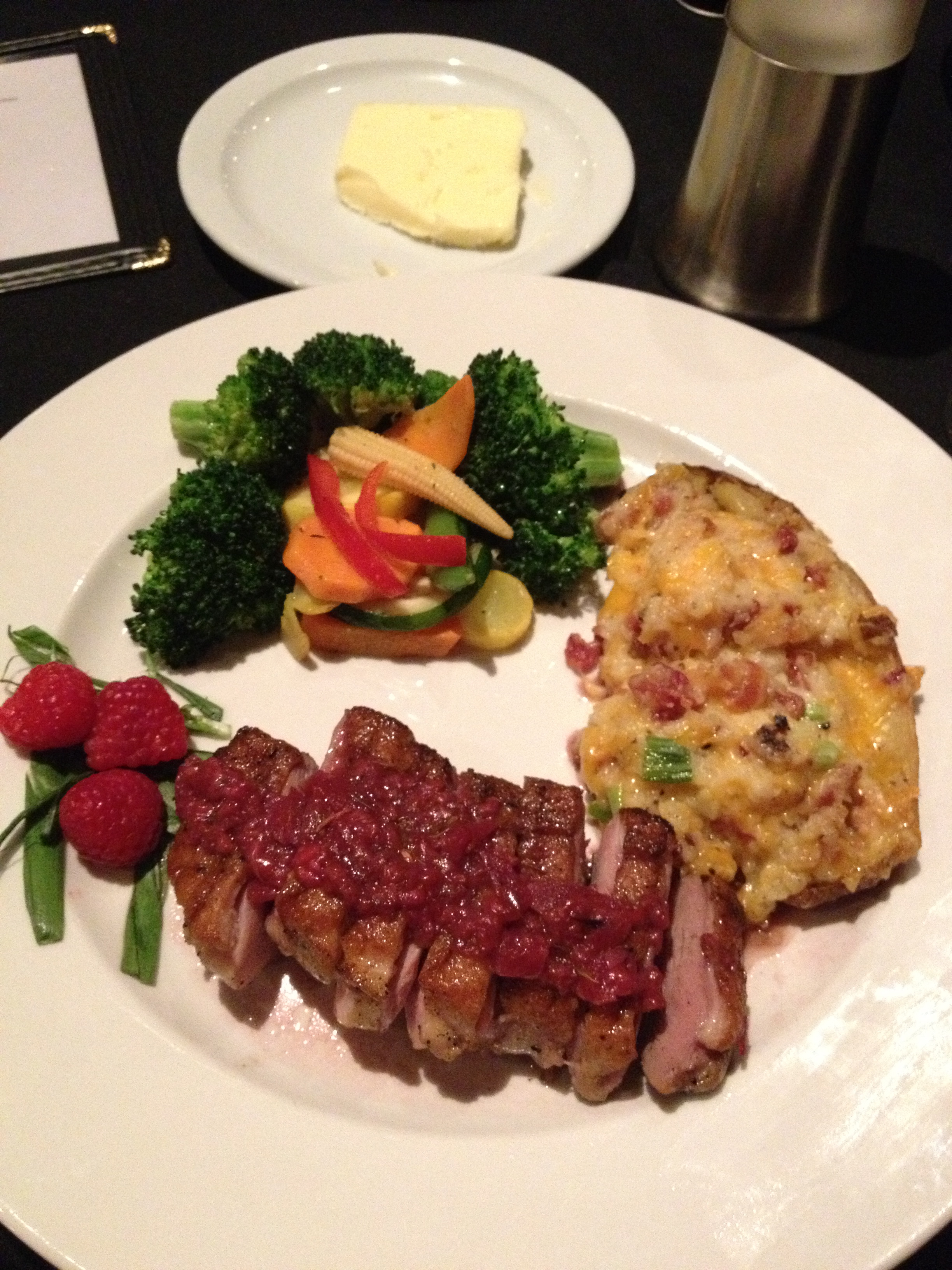
Duck with raspberry sauce and a twice baked potato

Duck with raspberry sauce and a twice baked potato at Crooner’s Lounge

Open Wednesday to Friday from 5 to 9pm in downtown Fort Scott, Crooner’s Lounge serves up gourmet food in a stylish dining room with brick walls adorned with images of singers and dark tablecloths and comfy chairs. The menu can and will change daily. The chef decides what’s inspired him that day, and that’s what he cooks.

I’m so glad he was inspired by pork belly – I had it for my appetizer, and it was a mix of crisp and tender and I-want-to-lick-my-plate-clean delicious. That could have been enough, but I also had the duck topped with raspberry sauce (I’ve never before seen or tried that combination, and I can now definitively recommend it!) with a twice-baked potato and mixed vegetables. From start to finish, it was delightfully yummy.

Reservations aren’t required, but they’re recommended, particularly on Friday nights. Since it’s only open 3 nights a week, you want to make sure you can get a table. The restaurant is a part of the Liberty Theatre building, with the entrance through the theatre doors.

If you go:

Entrees range from about $12 to $30, and there’s happy hour with $5 drinks from 5 to 6pm.

113 and 117 South Main Street, Fort Scott, KS 66701

620-215-1788

*Meal was compliments of Crooner’s Lounge. All opinions are that of the author.*

Overnight in Lyons Twin Mansions in Fort Scott

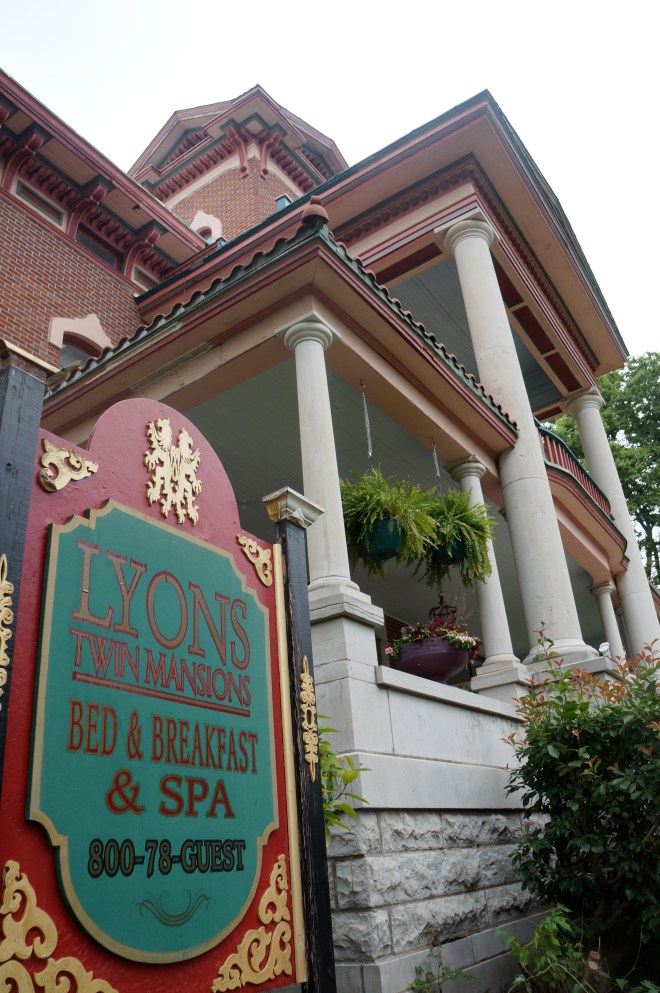
Lyons Twin Mansions

Lyons Twin Mansions in Fort Scott

After a long day of hiking at Gunn Park and Crawford State Fishing Lake in Southeast Kansas, I arrived at Lyons Twin Mansions in Fort Scott sweaty and stinky. I had no idea what to expect, having contacted the Chamber of Commerce and letting them arrange my accommodations for me, and I couldn’t have been more surprised and more pleased with where I’d be staying for two nights as I researched and hiked trails in the southeast: Lyons Twin Mansions in Fort Scott.

DSC05551

The check in room for Lyons Twin Mansions.

Near the center of town are two twin Victorian mansions one now primarily guest rooms and the other one housing Nate’s Place, the B&B’s restaurant that’s open for anyone and everyone, not just guests. I figured that I was staying somewhere unique as I pulled up and parked the car, but it wasn’t until I stepped inside and was greeted by owner Ms. Pat that I realized just how special this place was.

Elaborate decorations fill the mansion, and everywhere you look, there’s something that catches your eye. From the peacock atop a chest in the dining room to the historical pictures tucked into a windowsill on the way up the servant’s quarters stairs, it’s a lavish and unique place. There are guest rooms in the mansions themselves and a few in the surrounding buildings, as well as a dining room and lounge areas. Each one has its own character and flair. So even if you stay there once, if you go back and you get a different room, it’ll be a whole different experience with rooms ideal for romance and luxury as well as family getaways.

I was staying at the top of the main building servant’s stairs in “The Adventure” room. With wooden floors that creaked upon occasion and old, built in wooden desks, the room also came with modern features that I love whenever I can get them – a king size bed, flat screen TV, and mini fridge. Bonus – the fridge came stocked with a handful of sodas and if I managed to drink them all or needed more Diet Coke (which I happened to need), all I had to do was head outside my room to the living space that not only had a lounge area with several board games, but a microwave and popcorn and extra soda and bottled water.

Shangri-La room at Lyons Twin Mansions

Shangri-La room at Lyons Twin Mansions

My room felt more rustic luxury (as rustic as a place with a comfy bed, coffee maker, DVD player, and couch can be) but there were more high end style luxury rooms, and you can even get an entire mansion to yourself with the von Blucher mansion next door starting from $500 per night.

On the second floor of the main building, I was able to check out a room with a large, walk in steam shower, and upstairs, across the hall from my room in the former servant’s quarters, I snuck a picture through the open door of the Shangri-La room that comes complete with a large whirlpool tub.

The B&B is all about detail. Forgot something, like a phone charger or shaving cream? They’ll be able to take care of you. Don’t like the sound of trains in the night? (In the heyday of the railroad era, 7 lines ran through Fort Scott, now it’s just 2.) There are complimentary earplugs next to your bed for anyone who doesn’t want to be serenaded to sleep by the sound of a train whistle.

Both mornings of my stay, I hit up Nate’s Place for breakfast. The selection was varied, though fairly classic, with options from Belgian waffles topped with whipped cream, strawberries, and blueberries to a create your own omelet to Eggs Benedict. Something new, at least for me, was the sweet hash option – fried sweet potatoes and apples.

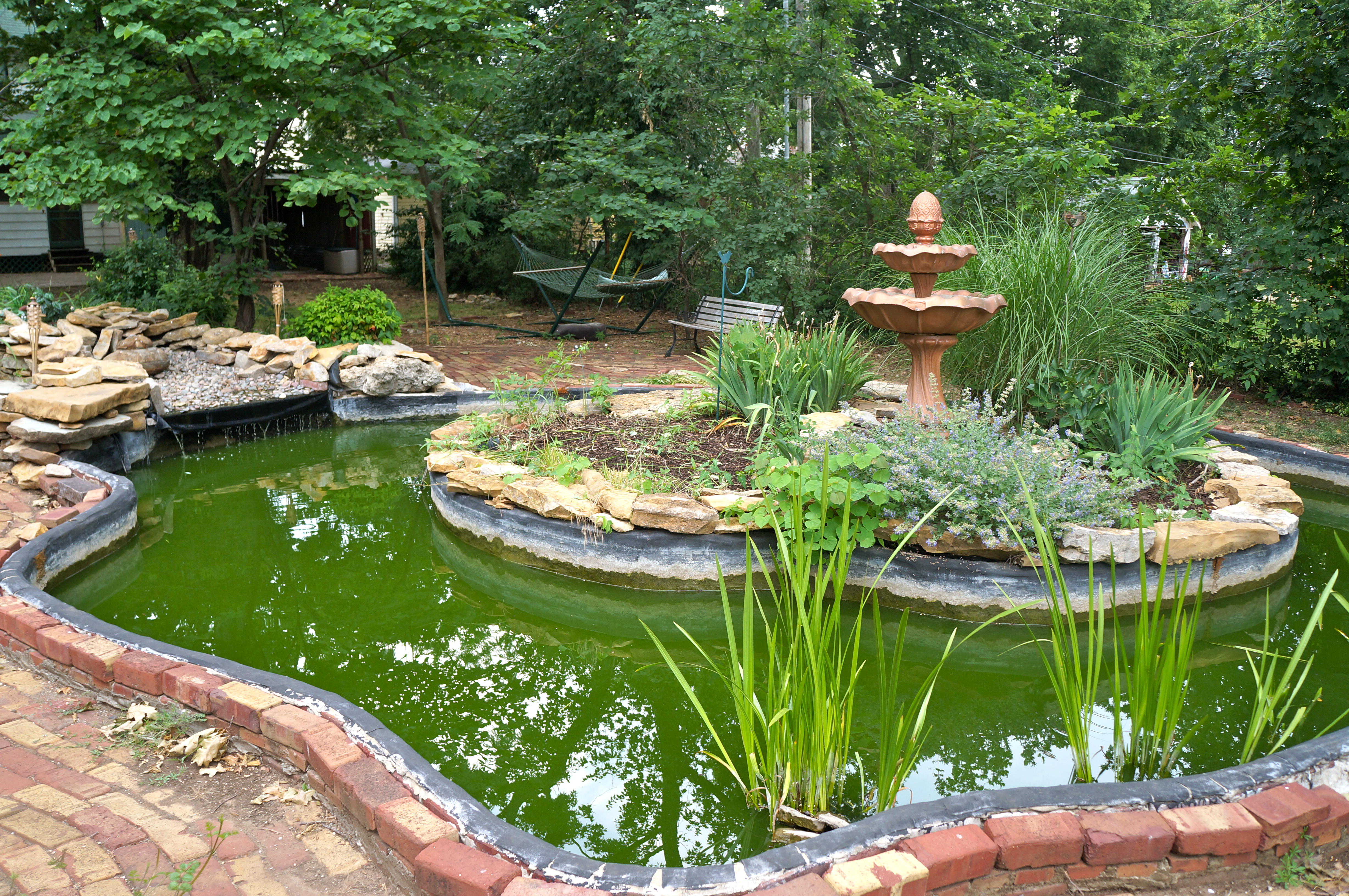
I wasn’t able to take advantage of the spa services the B&B can arrange (facial, hot stone and aromatherapy massage, manicure/pedicure), though I wish I would have had the time (and the money). I did get a chance to wander the grounds a bit. With a sprawling lawn in the front and a well-kept fountain and gardens in the backyard complete with hammock, it was a calm, pleasant space to relax. Just the thing after a day of hiking.
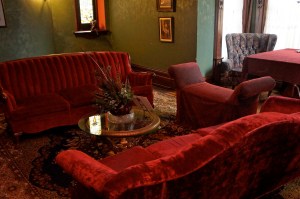
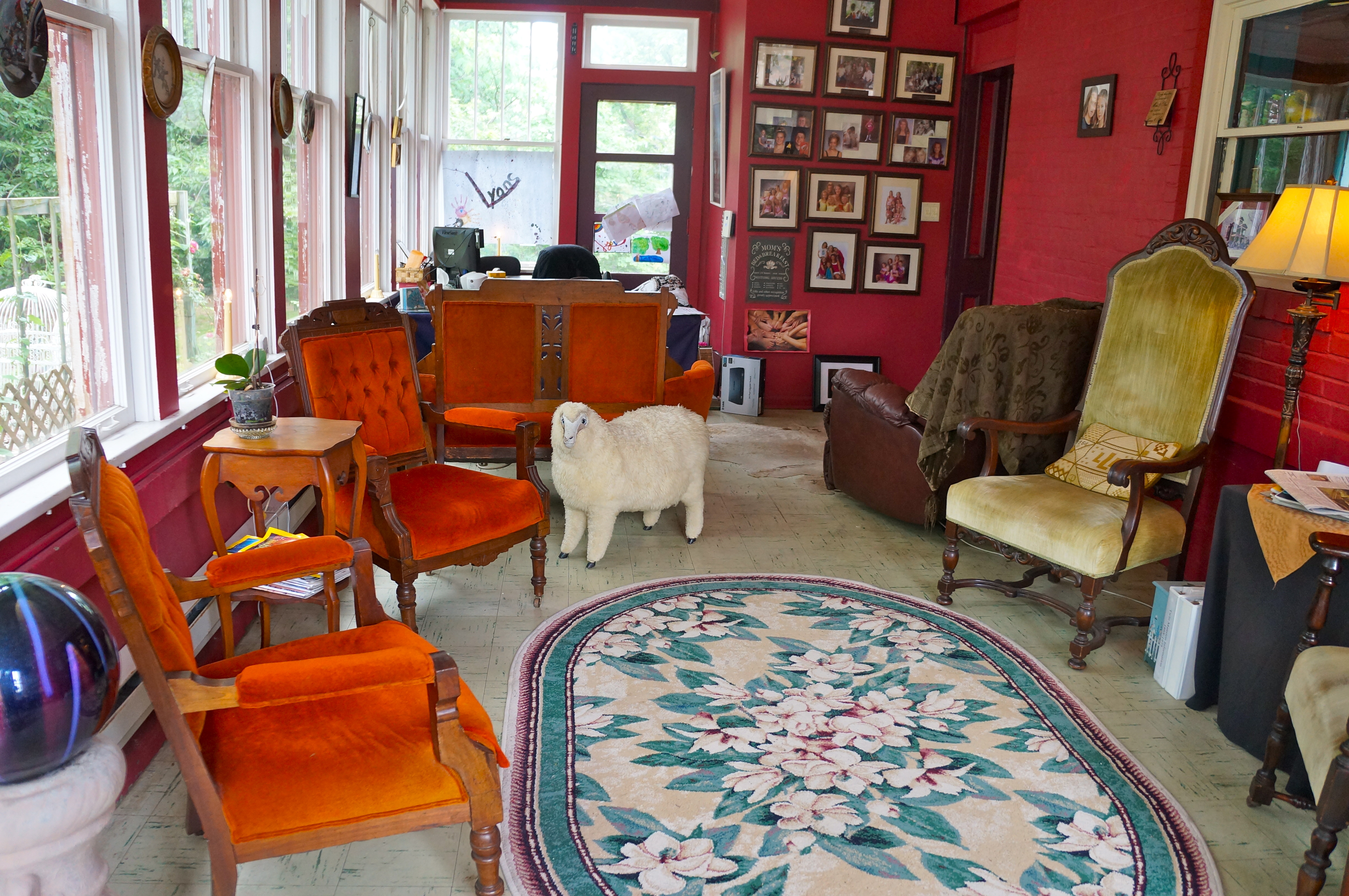
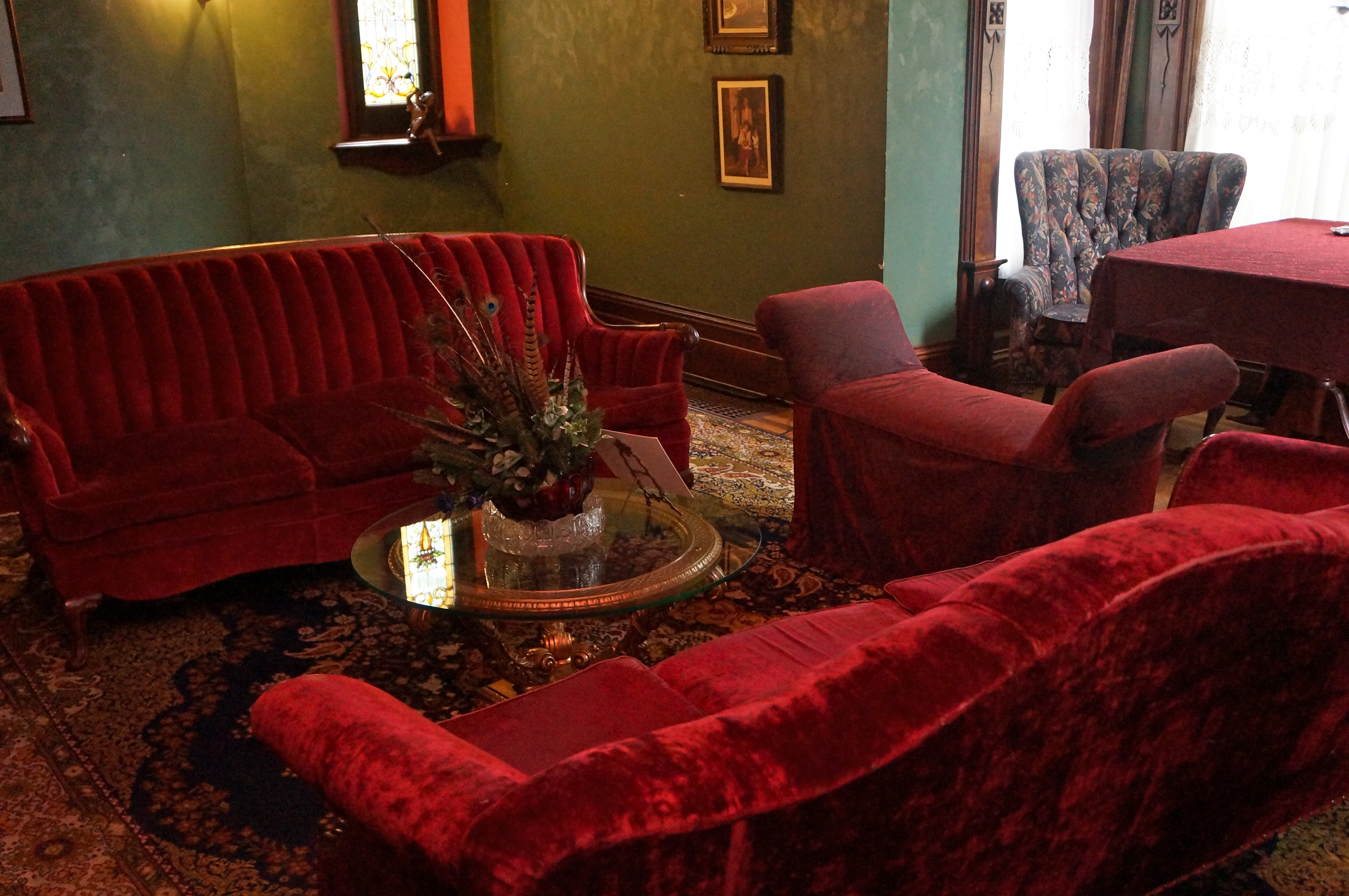
The sitting room of the main building

The sitting room of the main building

And, the B&B is on the warmshowers.org site, which is a free hospitality exchange for touring cyclists to find places to stay on the trips. Check through the warmshowers site, and if you can, try and stay here.

And even if you’re not crossing the country on your bike or hiking the nearby trails, it’s a great spot to stay under 90 minutes from Kansas City and about 45 minutes from Joplin, MO and worth the trip for a quirky, memorable stay in a historic town.

If you go:
Rooms from $119
620-223-3644
742 and 750 South National, Fort Scott, KS 66701


Garden at Lyons Twin Mansions

Garden at Lyons Twin Mansions – The pond I could see from my window in The Adventure room

Hazards on the trail: Ticks

Generally, getting out on the trail is fun, but there are a few things to make sure you’re aware of to keep your trail experience a good one. First one we’ll be looking into – ticks.

So we’re in the midst of tick season. They’re most active from about April to September, and this year in Kansas, since it’s been particularly dry, they’re out in full force.  While they can carry diseases like Lyme disease and Rocky Mountain spotted fever,  they’re relatively easy to deal with if you know what to do.

Prevent the bite: These little buggers DSC05680(and they are little!) while latch onto you as you walk through grass and underbrush. Walking in the center of the trail can often help with this, but some of the trails in Kansas have some higher grass or leaf litter that can’t be avoided. Wear long pants and ignore all concerns of fashion or style and tuck your pant legs into your socks. The less bare skin you leave for the ticks, the better.

Ticks get on you near your feet and lower legs, so that’s where to keep an eye out first. If you’re walking in or near high grass, do a visual scan every so often and flick off any ticks before they have the opportunity to find a place on your skin to bite. Trying to smash them won’t work like smacking a mosquito, so make sure you pull them off your skin or clothes and get rid of them.

Spraying with DEET is more effective for bugs like mosquitoes and flies; permethrin has been known to be more effective as a tick repellent, and it can only be used on fabric. So you can pre-treat clothing with a permethrin spray (takes 2-4 hours to dry so plan ahead) or buy clothing already treated with it.

If you get bitten: First thing to know, and which was particularly reassuring to me the first time I heard it, is that (a) not only do not all ticks carry disease but (b) it takes several hours after a tick has bitten to transmit a disease. So if you do a thorough tick check after being out on the trail, looking everywhere and paying particular attention to “tight” places, you can have a high chance of avoiding disease even if a tick has bitten. Check once, then check again. Don’t think a shower will get them off – you may have to pluck them off.

Finding a tick that has bitten in can be unnerving, and there are lots of tales about how to best remove them: from smothering them with vaseline or using a hot match. The quickest and best way, however, and the one that’s recommended by the CDC and any and all medical professionals I’ve asked (limited, I know, as it was two registered nurses in my family), is to use tweezers. Place the tweezers around the tick as close to your skin as possible and pull it firmly away from you, removing the head along with the tick’s body. Then treating the spot with a bit of rubbing alcohol or antibiotic ointment won’t hurt.

If you get a red rash or a fever in the days or weeks after getting bitten by a tick, check in with your doctor and make sure to tell them about your tick bite and let them know where you were on the trail when you were bitten.